About a year ago I stopped using AI note-takers that join the call as a participant. No little bot sitting in the attendee list with a name like “Kevin’s Notetaker.” I won’t use anything that works that way anymore. That being said, meeting transcripts are the single most important context source that I use for my own work and my clients.
What I now use instead runs on my machine and picks up audio from whatever conference tool we happen to be on, without joining anything. Right now that’s Notion. Before that it was Krisp, and Krisp was very good. There are a handful of other tools that work this way too (including the recently launched Wispr Flow note taker which I will be shocked if I don’t switch to).
The switch had nothing to do with transcript quality. Both kinds are fine at writing down words.
The bot changes the room
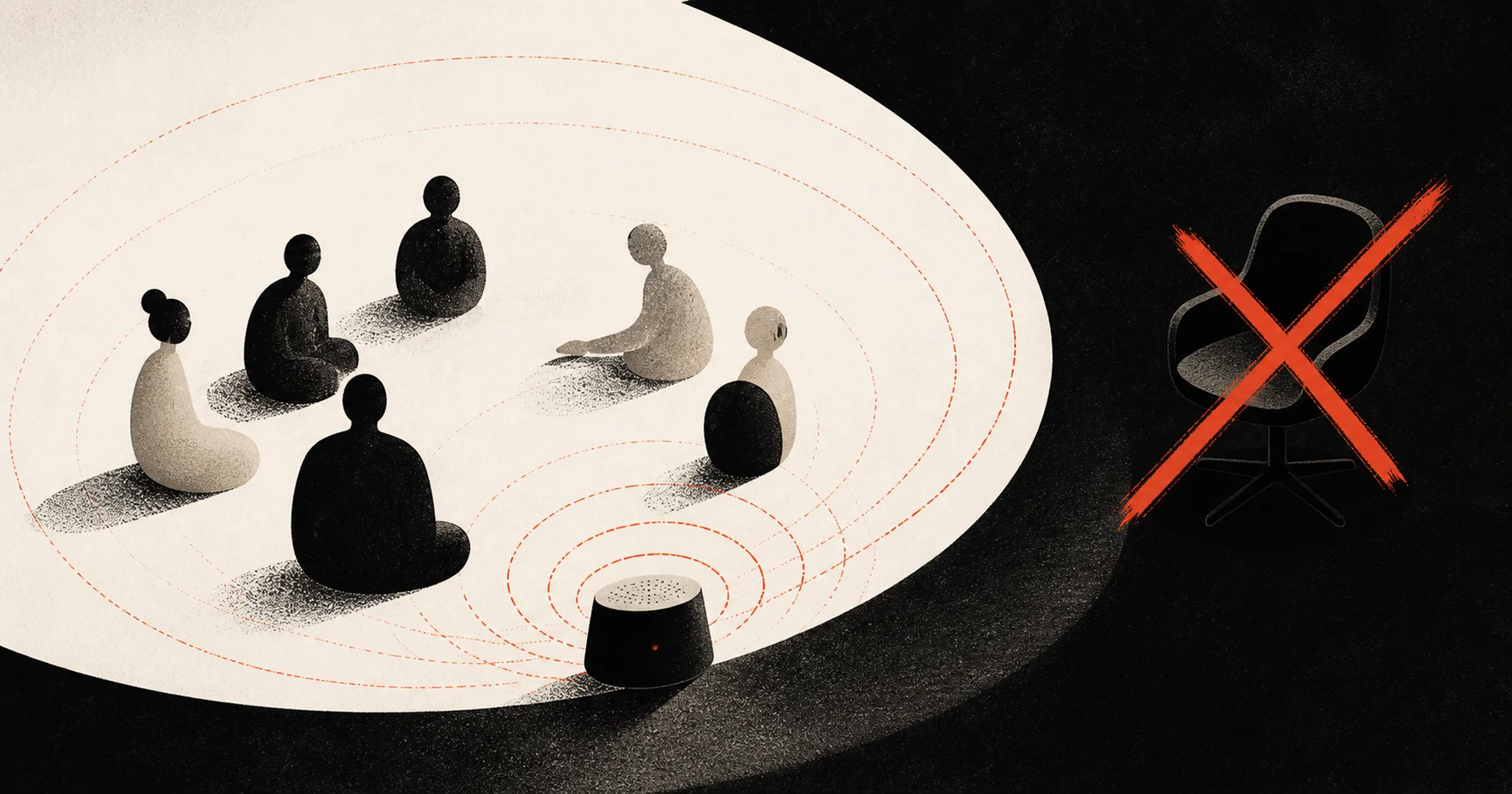
When a bot pops into a call, people talk differently. Sometimes it’s small, a little more careful, a little more polished. Sometimes it actively annoys someone and you spend the first two minutes explaining what it is and reassuring them.
Circleback sells a note-taker that does join the call, and they’re straight about this in their own comparison of the two approaches:
The outputs are identical. The difference is social, not functional.
Source: When Should Your AI Notetaker Be Visible, and When Shouldn’t It?
Coming from a company with a bot in the market, that’s worth something. They land on using the bot for internal syncs and going local for first meetings and anything sensitive, which is close to where I ended up. I just went all the way local because it’s just better in all areas.
My local recorder listening is a different feel than a third party joining. I still tell people I’m recording, obviously. But there’s no object in the room to perform for and people quickly forget that it’s there. The difference in honesty is apparent.
Coverage is the other half
The joining-bot approach only works on calls the bot was invited to, in tools it integrates with, on a calendar invite it could see.
Half my useful conversations don’t look like that. Somebody randomly hits me with a Slack huddle or a Teams call. I’m at a coffee shop with a founder. A quick 10-minute follow-up on a random platform the bot doesn’t support.
If it runs on my machine, all of that gets captured the same way, and for the in-person stuff I just open up the app and hit go (you can get a Plaud but this is cheaper).
All of this matters because transcripts aren’t the end goal. They’re the raw context for everything downstream in my process. I build client requirements docs out of them, for example. When I onboard a new client the transcript archive is most of what I know about their business. Patchy coverage means I’m rebuilding context I already gathered. And I can uncover interesting insights by combining my early calls during the onboarding process with an interview with an IC in a specific department 5 months in.
Where I think this goes
There’s a lot of product being built right now on top of official meeting integrations and bots that join. I think that’s the wrong move. The transcription piece keeps getting cheaper and better, and the local approach already sidesteps the two problems the integration approach can’t fix, which are meeting platform and how people behave when they see the bot.
If you’re picking one
Ask whether it runs on your machine and whether it works on a call that isn’t on your calendar.
Then figure out where the transcripts land, because a folder full of recordings nobody reads is worse than not recording at all. Mine go into Notion where I can search them, feed them into a spec, or ask what a client said about their sales process four months ago. That part is just as important as the tool itself, if not more.